
Clear aligners, worn 22 hours a day
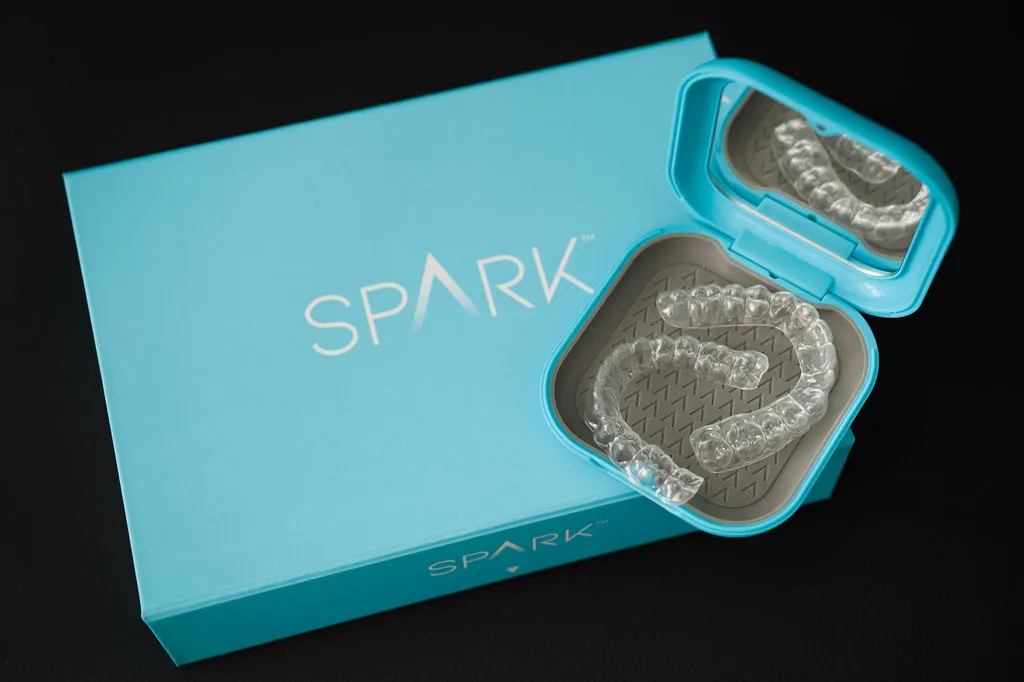
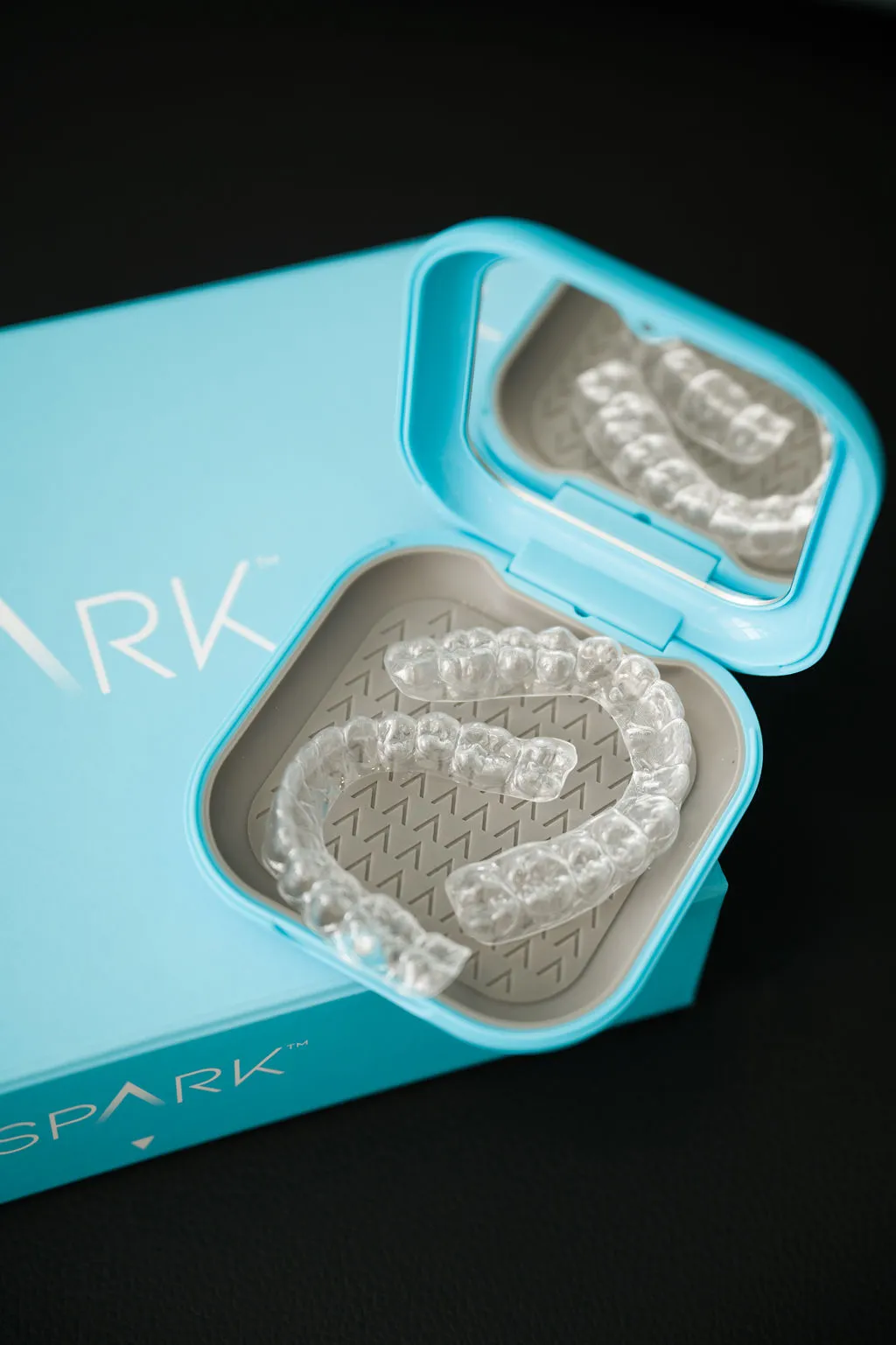
A sequence of removable plastic trays, each one shaped slightly differently, that move your teeth a fraction at a time. They are removable and less bulky than braces — and they depend on you wearing them.
How they actually work
Rather than a wire applying continuous force, you get a series of trays in resilient plastic. Each tray is very slightly different from the last, so wearing them in order walks your teeth along a planned path in small increments. You swap to the next set every seven to fourteen days.
There are many aligner brands and they all work on this same principle. Our process starts with a digital scan of your teeth on our iTero® scanner.
What the process looks like
A digital scan
We scan your teeth with the iTero® scanner to create a digital model of your bite.
Dr. Chen plans the case
Your scan goes out with her specific instructions for how the teeth should move and in what order. This is where the tooth movements are customised to you.
The sequence comes back for review
We get a draft treatment sequence, edit it, and keep editing until the plan is right. Nothing gets manufactured until Dr. Chen approves it.
Your aligners are made
The full series is manufactured, each tray a small step on from the one before.
Fitting day
We bond small attachments to some of your teeth — they give the aligners something to grip so the planned movements actually happen — and fit your first set.
A refinement set
After the first series, you will most likely need another set to correct the remaining minor imperfections, so a refinement scan is taken and the process repeats. This is a normal part of aligner treatment.
The catch, stated plainly
Aligners only move teeth while they are in your mouth. The requirement is at least 22 hours a day, which means they come out to eat and drink and go straight back in. Two hours of slack per day sounds generous until you have had a long dinner.
How long treatment takes overall depends on how complex your case is — anywhere from six months to two years. If you are unsure whether the wear time is realistic for you, that is worth raising at your consultation; braces are fixed, so they do not depend on remembering anything.
Living with aligners
- Fewer food restrictions than braces — but the bonded attachments can still break, so go easy on very hard foods
- Take them out to eat, or to drink anything other than cold or room-temperature water
- Brush or at least rinse before putting them back in
- Wear a mouthguard when playing contact sports
- Keep your six-month dental cleanings and check-ups
- Keep the case in your bag — aligners left on a lunch tray get thrown away
iTero® is a registered trademark of Align Technology, Inc. Radiant Orthodontics is not affiliated with, endorsed by, or sponsored by Align Technology.
Keep reading
For Children
The American Association of Orthodontists suggests a first check-up by age 7.
For Teens
Full treatment usually starts around age 12, once the permanent teeth are in.
For Adults
Teeth can be straightened at any age, as long as the bone and gums are healthy.
Ready for a first visit that is actually kind of fun?
Consults are free, and we will walk you through what treatment would involve, how long it should take, and what it would cost.
- Free consultation
- Interest-free payment plans
- Monthly Saturday hours